Treating Sleep Apnea
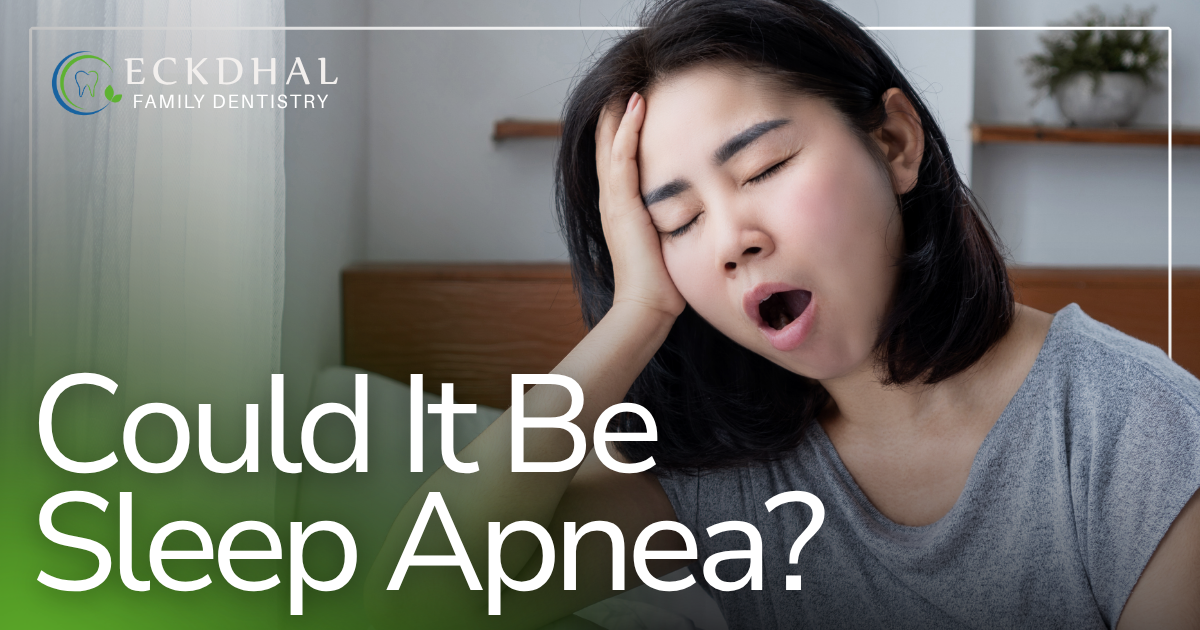
How can you tell if you suffer from sleep apnea? You may wake up just as tired as you were when you went to bed, or your partner or spouse may complain that you snore loudly or gasp for breath in your sleep. Headaches, dry mouth, or a sore throat when you first wake up in the morning are also signs that you may be suffering from sleep apnea.
What Is Sleep Apnea?
Sleep apnea is a common but serious sleep disorder in which breathing stops and starts repeatedly, often many times during a single night. These pauses can last seconds or minutes. Sleep apnea reduces oxygen levels and disrupts sleep. Diagnosing and treating sleep apnea is important because it can cause serious health issues such as hypertension, heart disease, stroke, and type 2 diabetes.
Types of Sleep Apnea
- Obstructive Sleep Apnea (OSA): This is the most common type of sleep apnea. Throat muscles relax, causing the airway to collapse.
- Central Sleep Apnea (CSA): This occurs when the brain does not send the proper signals to the muscles that control breathing.
- Complex Sleep Apnea: This is a combination of obstructive and central sleep apnea.
Symptoms to Watch for:
- Loud snoring
- Waking up choking or gasping
- Excessive daytime fatigue
- Morning headaches
- Irritability or difficulty concentrating
- Interrupted breathing during sleep
How We Diagnose & Treat Sleep Apnea
We diagnose sleep apnea using a device to study your sleep. The device is called MediByte, and it tracks your sleep. It is non-invasive, and you can use it at home. MediByte records the sounds you make, the position you sleep in, blood oxygen levels, and other factors while you sleep. Once you return it to us, we can analyze the data and create a treatment plan for you.
Things You Can Do to Sleep Better
- Control your weight: Obesity is a contributing factor to sleep apnea, and losing weight can significantly improve your sleep.
- Change sleeping positions: Try to sleep in a different position, preferably on your side.
- Avoid alcohol: Drinking excessively can contribute to sleep apnea; cutting down or quitting can help.
Treatment Options
- CPAP: Continuous positive airway pressure machines keep your airway open using mild air pressure.
- Oral appliances: A custom mouthguard you wear during sleep holds the jaw in a position that keeps the airway open.
- Surgery: Some cases may require surgery to remove tissue or correct structural issues.
If you are concerned that you or a loved one is suffering from sleep apnea, call us to schedule a consultation at our office located in Monroe, WI. A better night’s sleep is just a phone call away.