
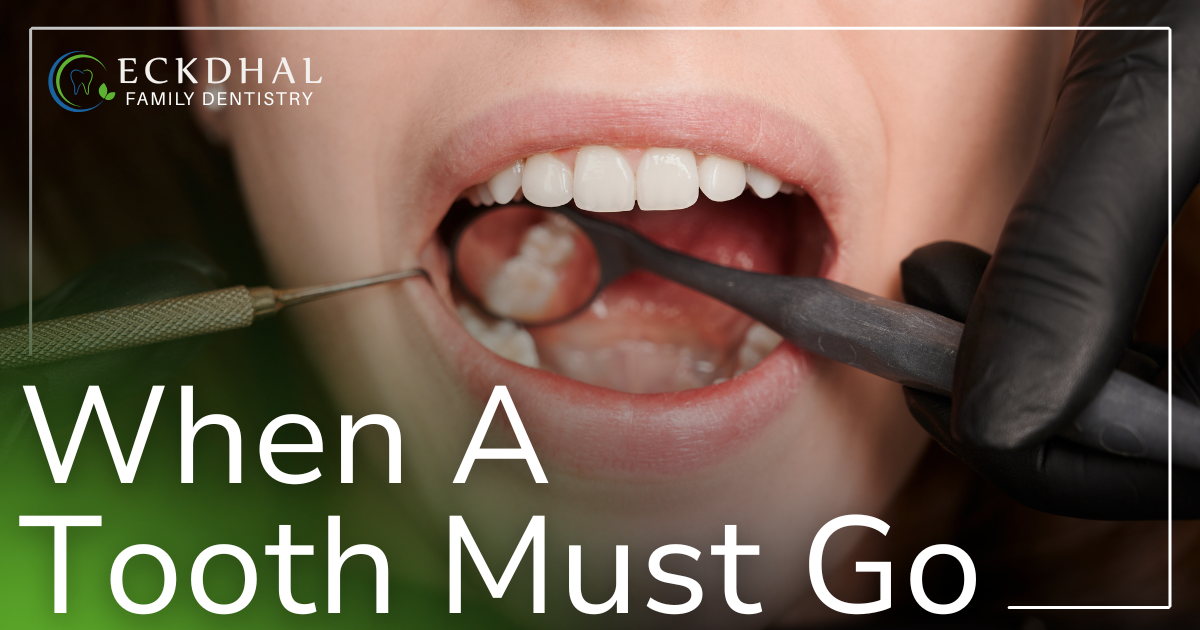
A Comprehensive Guide To Dental Extractions: What You Need To Know
Dental extractions, while often viewed with some apprehension, are a common and necessary procedure to maintain oral health. Whether due to severe decay, trauma, overcrowding, or other issues, removing a tooth can prevent further problems and alleviate pain. This guide provides a detailed overview of what to expect before, during, and after a dental extraction to help you feel informed and prepared.
Why Are Dental Extractions Necessary?
Extractions become necessary when a tooth is damaged beyond repair or poses a risk to surrounding teeth and tissues. Common reasons include extensive decay that cannot be restored with fillings or crowns, severe gum disease that weakens the tooth, impacted wisdom teeth that cause pain or alignment issues, or overcrowded teeth requiring removal for orthodontic treatment.
The Initial Consultation & Examination
The extraction process begins with a consultation where we review your dental and medical history. A thorough examination of the affected tooth and surrounding area is conducted, often including X-rays to understand root structure and bone health. This assessment helps plan the best extraction approach and identify potential complications.
Types of Extractions: Simple vs. Surgical
- Simple Extraction: This is performed on visible teeth that can be removed easily with dental instruments such as elevators and forceps. Local anesthesia is used to numb the area, ensuring a pain-free procedure. The dentist loosens the tooth and gently removes it from the socket.
- Surgical Extraction: Required for teeth that are not easily accessible, such as impacted or broken teeth, surgical extraction involves making an incision in the gum to access the tooth and, sometimes, sectioning the tooth into pieces for removal.
The Extraction Procedure
Once anesthesia takes effect, we carefully loosen and extract the tooth. After removal, the site is cleaned thoroughly. Gauze is placed for you to bite down on, helping to control bleeding and promote clot formation.
Post-Extraction Care & Healing
Following extraction, proper care is crucial for healing and avoiding complications like dry socket. We will provide instructions, which typically include:
- Keeping gauze in place for 30-45 minutes to control bleeding
- Avoid rinsing, spitting, or using straws for 24 hours to protect the clot
- Taking prescribed pain medications or antibiotics as directed
- Eating soft foods and avoiding hot, spicy, or crunchy items
- Maintaining oral hygiene gently around the extraction site
Swelling and discomfort are common for the first few days and can be managed with ice packs and over-the-counter pain relievers.
When to Seek Further Care
If you experience severe pain, prolonged bleeding, fever, or signs of infection like swelling spreading beyond the extraction site, contact your dentist promptly. Follow-up appointments ensure the area is healing properly and allow for further treatment, such as dental implants or bridges to restore the missing tooth.
Final Thoughts
Dental extractions are routine but important procedures that can relieve pain, prevent infection, and improve oral health. Understanding the process and following aftercare instructions empowers you to recover smoothly and maintain a healthy smile.
For personalized guidance regarding dental extractions and related care, schedule a consultation at our dental practice located in Monroe, WI. Early intervention and professional care make all the difference in successful treatment outcomes.